
Introduction & Background
Imagine walking into a room with confidence, flashing a radiant smile that lights up the space. A bright, healthy smile does more than just boost your appearance. It reflects your overall well-being and can leave a lasting impression on others. Yet, many people overlook the importance of oral health until problems like toothaches or gum disease arise. Good oral hygiene is not just about aesthetics. It plays a critical role in preventing dental issues, reducing the risk of systemic diseases, and enhancing quality of life. Your teeth are not just tools for chewing. They contribute to clear speech, proper nutrition, and even emotional expression. By taking small, consistent steps today, you can secure a lifetime of strong, beautiful teeth and avoid the discomfort and expense of dental problems tomorrow.
Concept & Overview
Oral health refers to the condition of your teeth, gums, and the entire mouth. It is an essential part of your overall health and should never be treated as an afterthought. Maintaining healthy teeth involves daily habits, regular professional care, and mindful lifestyle choices. The mouth is home to hundreds of different bacteria, some beneficial and others harmful. When harmful bacteria build up, they form plaque, a sticky film that clings to teeth and gums. Over time, this plaque hardens into tartar, leading to cavities, gum disease, and even tooth loss if left untreated. The good news is that with proper care, you can keep these issues at bay and enjoy a lifetime of oral wellness.
Optimal oral health begins with understanding the connection between your mouth and the rest of your body. Poor oral hygiene has been linked to serious conditions such as heart disease, diabetes, and respiratory infections. By keeping your mouth clean, you reduce the risk of harmful bacteria traveling through your bloodstream. This simple practice supports not only your teeth and gums but also your general health. It’s also important to realize that oral health is a lifelong journey. While genetics play a role in the strength and alignment of your teeth, your daily habits and choices have the greatest impact on your long-term dental health.
Key Features & Highlights
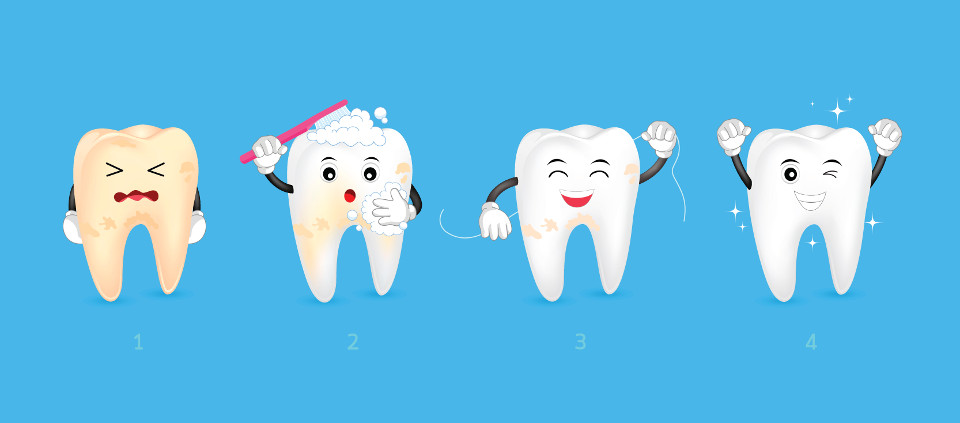
- Daily Brushing: Brush your teeth at least twice a day using fluoride toothpaste. Use a soft-bristled toothbrush and brush for two minutes each time. This removes food particles and plaque from the surfaces of your teeth and along the gumline.
- Flossing: Floss once a day to clean between your teeth where a toothbrush cannot reach. This prevents plaque buildup and reduces the risk of cavities and gum disease in those hard-to-reach areas.
- Regular Dental Check-ups: Visit your dentist every six months for professional cleanings and examinations. These visits help detect early signs of problems and allow for timely treatment, saving you from pain and costly procedures later.
- Healthy Diet: Limit sugary and acidic foods and beverages that can erode tooth enamel and promote decay. Instead, choose a balanced diet rich in fruits, vegetables, lean proteins, and whole grains to support strong teeth and gums.
- Hydration: Drink plenty of water throughout the day. Water helps rinse away food particles and bacteria, keeps your mouth moist, and reduces the risk of dry mouth, which can lead to decay and bad breath.
- Use of Mouthwash: Consider using an antimicrobial mouthwash to kill bacteria and freshen your breath. Choose an alcohol-free formula to avoid drying out your mouth.
- Protect Your Teeth: Wear a mouthguard during sports or when grinding your teeth at night to prevent chips, cracks, and wear. Avoid using your teeth as tools to open packages or bite hard objects.
Frequently Asked Questions / Pros & Cons
Why is brushing twice a day important?
Brushing twice daily helps remove the plaque that builds up on your teeth throughout the day and night. Plaque contains bacteria that produce acids harmful to your tooth enamel. If plaque is not removed regularly, it can lead to cavities, gum irritation, and even gum disease. Morning brushing removes overnight bacteria buildup, while evening brushing clears food particles from the day. This routine keeps your mouth clean and reduces the risk of decay and infection.
What are the signs of gum disease?
Gum disease often starts with red, swollen, or bleeding gums, especially during brushing or flossing. You may also experience persistent bad breath, receding gums, or teeth that feel loose. In advanced stages, gum disease can cause pain and even tooth loss. If you notice any of these symptoms, it is important to see your dentist for evaluation and treatment. Early intervention can prevent serious damage and restore gum health.
Can diet affect my teeth?
Absolutely. Your diet plays a major role in your oral health. Foods high in sugar and starch feed the harmful bacteria in your mouth, which produce acids that attack tooth enamel. This can lead to cavities over time. Acidic foods and drinks, like citrus fruits and soda, can also erode enamel directly. On the other hand, foods rich in calcium, vitamin D, and phosphorus strengthen teeth. Crunchy fruits and vegetables like apples and carrots help clean teeth naturally and stimulate saliva production, which protects against decay.
What are the pros and cons of using whitening strips?
Pros: Whitening strips are convenient, affordable, and can lighten teeth by several shades when used as directed. They are an easy way to enhance your smile without visiting a dentist. Many products are available over the counter, making them accessible to most people.
Cons: Overuse or improper use can lead to tooth sensitivity, gum irritation, or uneven whitening. They may not be suitable for people with crowns, fillings, or very dark stains. Results vary depending on the product and individual tooth condition. It’s always best to consult your dentist before starting any whitening treatment to ensure safety and effectiveness.
Practical Guidance & Solutions
Transforming your oral health starts with small, consistent actions that fit into your daily routine. Begin by setting up a dedicated brushing and flossing schedule. Place your toothbrush and floss in a visible location to remind yourself to use them every morning and evening. Keep a travel-sized toothbrush and toothpaste in your bag or desk for brushing after meals when you’re on the go. Choose a toothpaste with fluoride and the American Dental Association (ADA) seal of approval to ensure you’re using a safe and effective product.
Make water your go-to beverage throughout the day. Carry a reusable water bottle and sip regularly, especially after meals. If you enjoy sugary drinks, try to limit them to meal times and rinse your mouth with water afterward. Consider chewing sugar-free gum after eating to stimulate saliva flow, which naturally cleans your mouth. Saliva helps neutralize acids and remineralize tooth enamel, protecting your teeth from decay.
Schedule your dental appointments in advance and treat them as non-negotiable. Use a calendar reminder or set up automatic notifications to avoid missing check-ups. If you experience dental anxiety, talk to your dentist about it. They can offer solutions like sedation or a calming environment to make your visit more comfortable. Also, be honest about your habits during dental visits. Sharing details about your diet, smoking, or brushing frequency helps your dentist provide personalized advice and early interventions.
Finally, involve your family in your oral health journey. Children learn by example, so make brushing and flossing a family activity. Use fun timers, flavored toothpastes, or reward charts to encourage kids. For adults, consider joining a health challenge or accountability group focused on wellness and hygiene. Sharing tips and progress can motivate everyone to stay consistent. Remember, healthy teeth are built on daily habits, not quick fixes. Stay patient and celebrate small victories along the way.
Conclusion
A bright smile is more than just a cosmetic asset. It is a reflection of your commitment to self-care and a gateway to better health and happiness. By adopting simple, daily habits like brushing, flossing, eating well, and visiting your dentist regularly, you invest in a future free from dental pain and full of confidence. Your teeth carry you through every laugh, meal, and conversation. Give them the care they deserve, and they will serve you well for a lifetime.
Start today by choosing one new habit to focus on. Whether it’s flossing before bed, swapping soda for water, or scheduling your next dental check-up, every step counts. Your future self will thank you for the bright smile and the joy it brings. Healthy teeth lead to a happy life, and the journey begins with a single brushstroke.