
Introduction & Background
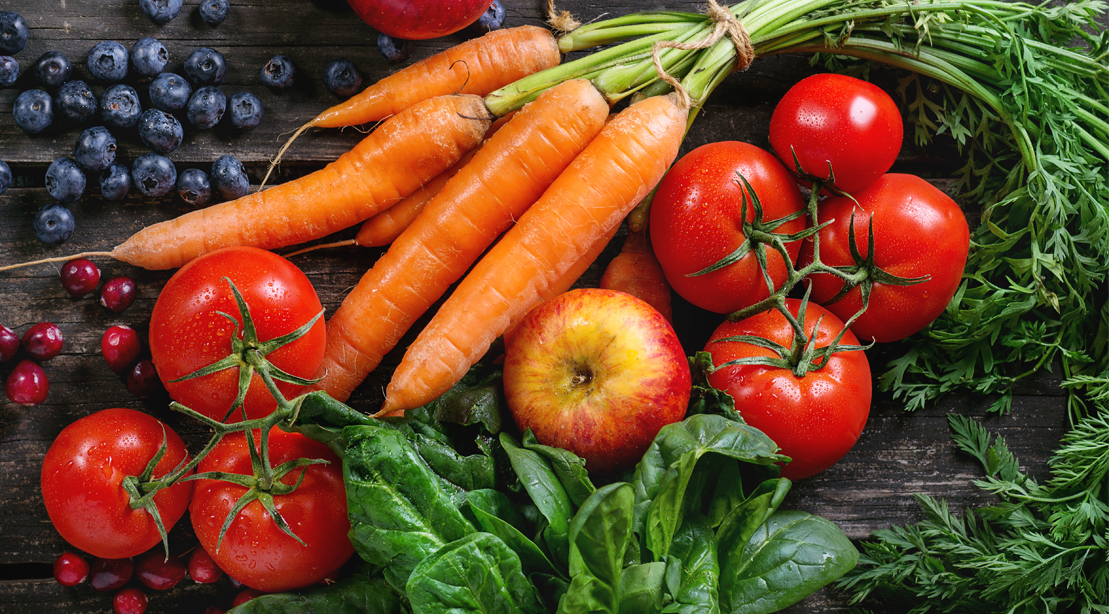
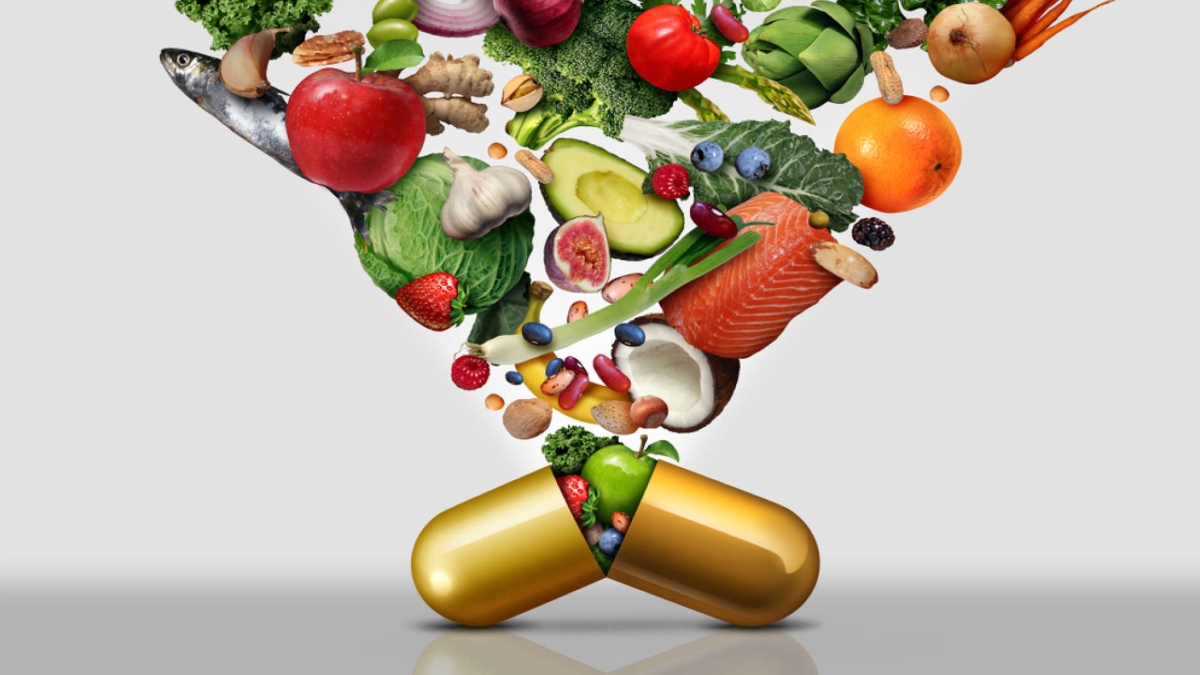
Nature has long been humanity’s ultimate pharmacy, offering a vast array of nutrient-rich foods that nourish the body and support overall health. In an age where processed foods dominate shelves and synthetic supplements flood the market, the wisdom of turning to nature’s pantry has never been more vital. This treasure trove of edible plants, seeds, nuts, and herbs not only provides essential vitamins and minerals but also delivers powerful antioxidants, fiber, and healthy fats that modern diets often lack. Understanding and utilizing these hidden gems can lead to improved digestion, enhanced immunity, and a balanced lifestyle. As we face growing concerns about food quality and environmental sustainability, rediscovering nature’s pantry becomes a step toward healthier living and a more harmonious relationship with the planet.
Concept & Overview
Nature’s pantry refers to the collection of whole, unprocessed foods that occur naturally in the environment and offer concentrated nutritional benefits. Unlike manufactured foods, which often contain additives and preservatives, these items are rich in bioavailable nutrients that the body can absorb and use efficiently. The concept emphasizes the importance of eating foods as close to their natural state as possible, prioritizing seasonal, local, and organic sources whenever feasible. Central to this idea is the recognition that many lesser-known plants, roots, and seeds hold extraordinary health-promoting properties that have been utilized for centuries in traditional medicine and indigenous diets. From adaptogenic mushrooms to ancient grains, nature’s pantry is a living testament to the diversity and resilience of the natural world’s bounty.
Key Features & Highlights
- Bioavailability of Nutrients: Natural foods often contain nutrients in forms that the body recognizes and absorbs easily, such as vitamin C in bell peppers or iron in spinach.
- Rich in Antioxidants: Berries, dark leafy greens, and nuts are packed with antioxidants that combat oxidative stress and reduce inflammation.
- High Fiber Content: Foods like lentils, chia seeds, and artichokes support digestive health and help regulate blood sugar levels.
- Healthy Fats Source: Avocados, walnuts, and flaxseeds provide omega-3 fatty acids essential for brain function and heart health.
- Mineral Powerhouses: Seaweed, pumpkin seeds, and cacao are exceptional sources of minerals like magnesium, zinc, and iodine.
- Low Glycemic Impact: Many natural foods, such as sweet potatoes and quinoa, have a low glycemic index, making them suitable for blood sugar management.
- Sustainable & Eco-Friendly: Choosing whole foods from nature’s pantry often supports biodiversity and reduces the carbon footprint associated with processed food production.
Frequently Asked Questions / Pros & Cons
What are some lesser-known nutrient sources in nature’s pantry?
Some underrated gems include moringa leaves, known for their high protein and antioxidant content, and baobab fruit, which is rich in vitamin C and prebiotics. Other examples are hemp seeds for omega-6 and omega-3 fatty acids, and dandelion greens, which support liver detoxification and digestion.
Are natural nutrient sources always safe to consume?
While nature’s pantry offers many benefits, not all natural foods are universally safe. Some plants can be toxic if consumed raw or in large quantities, such as raw kidney beans or certain wild mushrooms. It is crucial to identify edible varieties correctly, prepare them properly, and consult trusted sources or experts when foraging or trying new foods.
Pros of relying on nature’s pantry
- Higher nutrient density compared to many processed foods.
- Lower risk of artificial additives and chemical residues.
- Supports sustainable and local food systems.
- Encourages a diverse and balanced diet.
- Often more affordable in the long term when sourced locally.
Cons of relying on nature’s pantry
- Accessibility can be limited in urban areas or during off-seasons.
- Some foods require significant preparation or cooking time.
- Potential for allergic reactions to specific natural foods.
- Storage challenges, as fresh produce may spoil quickly without proper handling.
Practical Guidance & Solutions
To integrate nature’s pantry into daily life, start by exploring local farmers markets or community-supported agriculture programs, where fresh, seasonal produce is easily available. Familiarize yourself with basic foraging guidelines or join a workshop led by an expert to safely identify edible plants in your region. Incorporate nutrient-dense foods gradually by adding a handful of spinach to smoothies, sprinkling chia seeds on salads, or swapping white rice for nutrient-rich quinoa. Batch cooking and freezing portions of soups, stews, or grains can help extend the shelf life of perishable items. For those with limited time, consider dried or freeze-dried options like goji berries or seaweed snacks, which retain many nutrients and are convenient to store. Always prioritize variety to ensure a broad spectrum of vitamins and minerals, and stay hydrated by consuming natural fluids like coconut water or herbal teas rich in antioxidants.
Conclusion
Nature’s pantry is not just a relic of the past but a vibrant, ever-evolving resource that holds the key to better health and sustainability. By embracing the hidden gems tucked away in forests, fields, and oceans, we reconnect with the earth’s generosity and rediscover the profound simplicity of nourishment. Whether through familiar favorites like almonds and blueberries or adventurous discoveries like sunchokes and purslane, these foods remind us that the most potent remedies often come from the earth itself. As we navigate a world of convenience and excess, nature’s pantry invites us to slow down, savor the richness of whole foods, and cultivate a deeper appreciation for the gifts that surround us. In doing so, we nourish not only our bodies but also our minds and the planet we call home.