
Introduction & Background
A bright and healthy smile is more than just a sign of beauty. It reflects your overall well-being and boosts confidence in social and professional settings. Good oral hygiene prevents common issues like cavities, gum disease, and bad breath, which can affect your quality of life. While professional dental care is essential, daily habits play an equally important role in maintaining a radiant smile. By adopting simple yet effective routines, you can protect your teeth and gums for years to come.
Concept & Overview
Maintaining a bright and healthy smile relies on consistent oral care practices. The foundation includes brushing, flossing, and regular dental check-ups. Beyond these basics, lifestyle choices such as diet, hydration, and avoiding harmful habits also contribute significantly. The key is to build habits that are sustainable and easy to follow every day. Small changes can lead to long-term benefits, ensuring your smile stays vibrant and strong throughout your life.
Key Features & Highlights
- Brushing Twice Daily: Use a fluoride toothpaste and a soft-bristled toothbrush to remove plaque and prevent cavities. Brushing in the morning and before bed ensures your teeth stay clean throughout the day and night.
- Daily Flossing: Flossing removes food particles and plaque between teeth where a toothbrush cannot reach. Doing this once a day helps prevent gum disease and keeps your gums healthy.
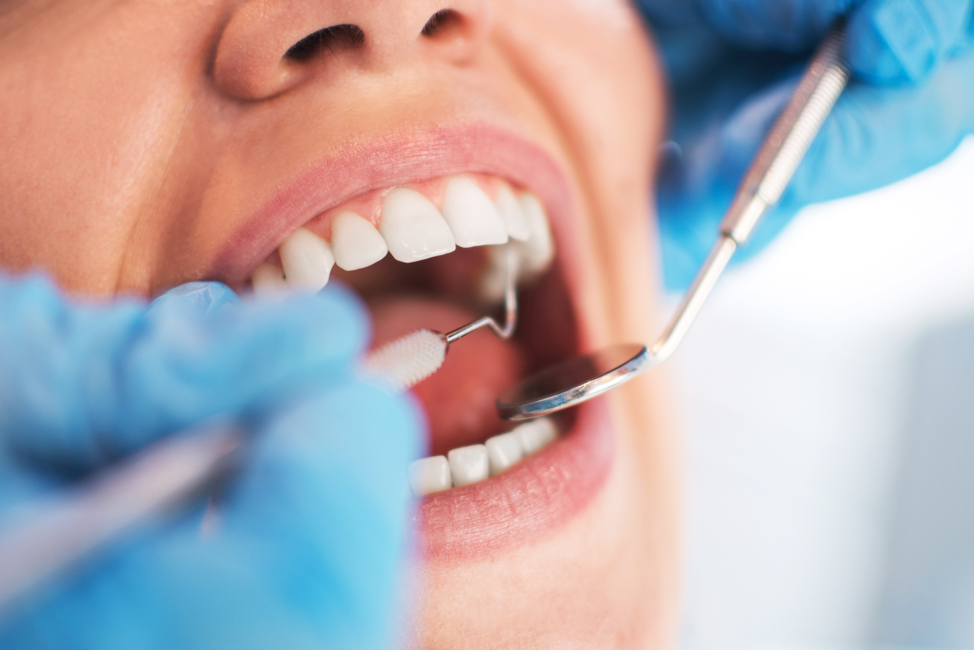
- Regular Dental Check-ups: Visit your dentist every six months for professional cleanings and examinations. This helps detect early signs of problems and keeps your smile in top condition.
- Balanced Diet: Eat foods rich in calcium, vitamins, and minerals like dairy, leafy greens, and nuts. Avoid excessive sugar and acidic foods that can erode enamel and cause decay.
- Stay Hydrated: Drink plenty of water throughout the day to wash away bacteria and food debris. Water also helps maintain saliva production, which is crucial for protecting your teeth.
Frequently Asked Questions / Pros & Cons
What are the most common mistakes people make in oral hygiene?
Answer: Many people brush too hard, which can damage gums and enamel. Others skip flossing or use mouthwash as a substitute for brushing. Overlooking regular dental visits is another common mistake that can lead to undetected issues.
Is whitening toothpaste effective for a brighter smile?
Answer: Whitening toothpaste can remove surface stains, but it does not change the natural color of your teeth. For deeper whitening, professional treatments or natural remedies like baking soda may be more effective, but always consult your dentist first.
How does diet affect dental health?
Answer: A diet high in sugar feeds harmful bacteria that produce acids, leading to cavities. Acidic foods and drinks can erode enamel over time. On the other hand, foods rich in calcium and vitamins strengthen teeth and gums, promoting long-term health.
Can natural remedies replace traditional oral care?
Answer: While natural remedies like oil pulling or herbal mouth rinses can support oral health, they should not replace brushing and flossing. These remedies may help reduce bacteria and freshen breath but are not a substitute for fluoride toothpaste or professional cleanings.
What are the pros and cons of electric vs manual toothbrushes?
Answer: Electric toothbrushes are often more effective at removing plaque and require less effort. They can be especially helpful for people with limited mobility. However, manual toothbrushes are affordable and accessible. The best choice depends on personal preference and effectiveness in your daily routine.
Practical Guidance & Solutions
Start by setting a consistent schedule for brushing and flossing. Use a timer to ensure you brush for at least two minutes each time. Choose a toothpaste with fluoride to strengthen enamel and a toothbrush that fits comfortably in your mouth. Keep floss or interdental cleaners in a visible spot to remind yourself to use them daily.
Make small changes to your diet by swapping sugary snacks for fruits or nuts. Drink water after meals to rinse away food particles and neutralize acids. Limit coffee, tea, and red wine that can stain teeth. If you smoke, consider seeking help to quit, as tobacco harms both your teeth and gums.
Schedule your dental check-ups in advance and keep track of them. If you experience sensitivity or bleeding gums, address it promptly with your dentist. Use a tongue scraper to remove bacteria that cause bad breath. Finally, smile often, as it not only boosts your mood but also encourages good oral habits.
Conclusion
A bright and healthy smile is within reach with simple, consistent habits. By brushing and flossing daily, eating well, staying hydrated, and visiting your dentist regularly, you can protect your teeth for a lifetime. Small efforts today lead to lasting benefits tomorrow, ensuring your smile remains confident and radiant. Start today, and let your smile shine brighter than ever before.