
Introduction & Background
Good oral health is more than just a bright smile. It is the foundation of lifelong well-being, confidence, and overall health. From the moment a baby’s first tooth appears to the golden years of adulthood, the care we give our teeth shapes our quality of life. Yet, many people underestimate the power of early dental habits, leading to preventable issues like cavities, gum disease, and even systemic health problems. This guide is dedicated to helping you unlock the secret to maintaining healthy, strong teeth from childhood through adulthood. Whether you’re a parent looking to instill lifelong oral care in your child or an adult aiming to preserve your natural smile, this article will serve as your roadmap to success.
Concept & Overview
At its core, maintaining healthy teeth for life is about consistency and prevention. It involves adopting daily habits, understanding the impact of diet, and recognizing the importance of professional dental care. The concept revolves around three pillars: proper brushing and flossing techniques, balanced nutrition, and regular dental check-ups. When these pillars are aligned, they create a protective shield against common dental problems. Additionally, early education plays a crucial role. Teaching children the value of oral hygiene sets a pattern that lasts a lifetime. This guide breaks down each element, offering clear insights and practical steps to help you achieve and maintain optimal dental health.
Key Features & Highlights
- Early Start: Begin oral care even before the first tooth appears, using a soft cloth to clean gums. Introduce a toothbrush as soon as the first tooth erupts.
- Proper Brushing Technique: Brush twice daily for two minutes using a fluoride toothpaste. Use gentle circular motions and ensure all surfaces of the teeth are cleaned.
- Flossing Daily: Flossing removes plaque and food particles between teeth where a toothbrush cannot reach. Make it a habit to floss at least once a day.
- Balanced Diet: Limit sugary snacks and drinks to prevent cavities. Choose foods rich in calcium, vitamin D, and phosphorus to strengthen teeth and bones.
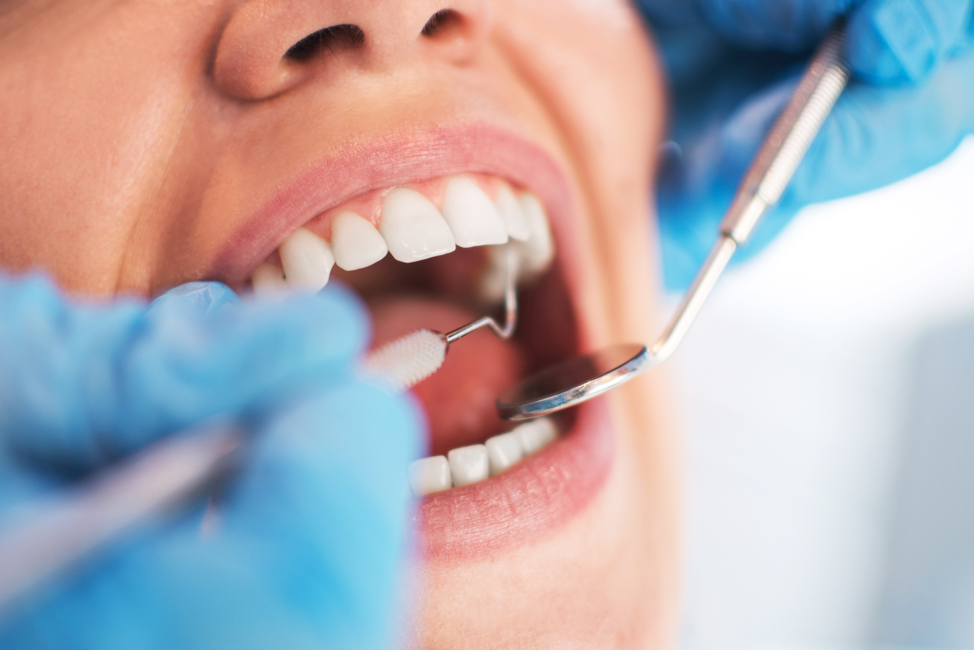
- Regular Dental Visits: Schedule dental check-ups every six months. Professional cleanings and early detection of issues can prevent major problems in the future.
- Protective Measures: Use mouthguards during sports and consider sealants for children to protect against cavities. Avoid using teeth as tools to open packages or crack nuts.
- Hydration: Drink plenty of water throughout the day to rinse away food particles and bacteria. Fluoridated water is especially beneficial for strengthening tooth enamel.
Frequently Asked Questions / Pros & Cons
Why is it important to start oral care before a baby’s first tooth appears?
Cleaning a baby’s gums removes bacteria that can cause tooth decay once teeth emerge. It also helps the child become comfortable with oral care routines early on, reducing resistance to brushing later in life.
What are the consequences of skipping flossing?
Skipping flossing allows plaque to build up between teeth, leading to cavities, gum disease, and bad breath. Gum disease, in particular, has been linked to serious health issues like heart disease and diabetes.
Are electric toothbrushes better than manual ones?
Electric toothbrushes often provide more consistent and effective cleaning due to their oscillating or vibrating heads. Studies show they can reduce plaque and gingivitis more than manual brushing when used correctly.
How does diet affect dental health?
A diet high in sugar feeds the bacteria in your mouth, producing acids that erode tooth enamel and lead to cavities. Acidic foods and drinks can also weaken enamel over time. A balanced diet with plenty of fruits, vegetables, and dairy supports strong teeth.
What are the signs of gum disease?
Common signs include red, swollen, or bleeding gums, persistent bad breath, receding gums, and loose teeth. If you notice any of these symptoms, it’s important to see a dentist promptly.
Can teeth whitening damage enamel?
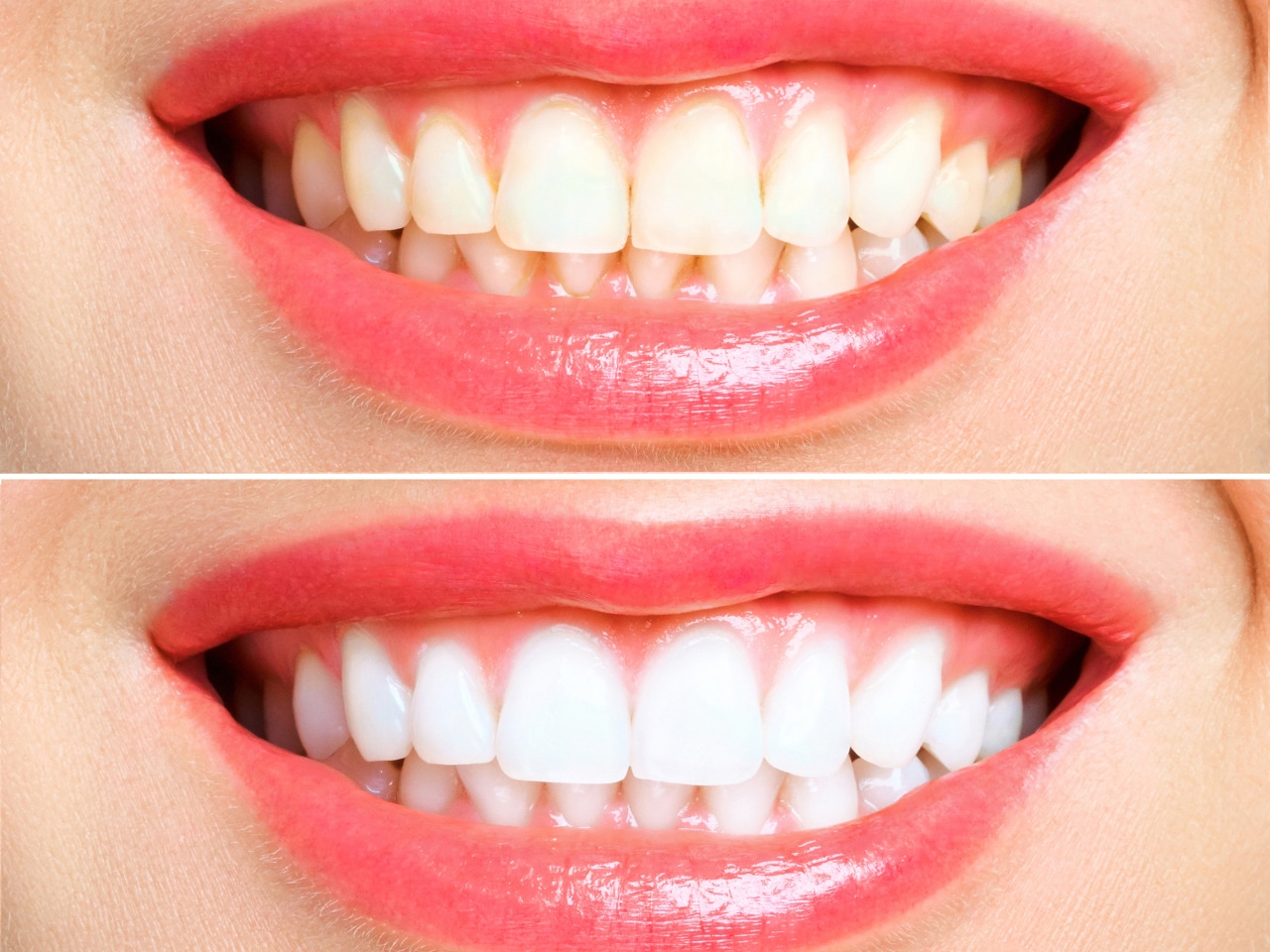
Professional teeth whitening treatments are generally safe when performed by a dentist. However, over-the-counter whitening products or excessive use can weaken enamel and increase sensitivity. Always follow product instructions and consult a dental professional.
Practical Guidance & Solutions
Now that we’ve covered the basics and addressed common concerns, let’s turn knowledge into action. Start with small, manageable steps. For parents, make brushing a fun activity by using colorful toothbrushes or playing a two-minute song. For adults, set reminders on your phone to brush and floss regularly. Keep a travel-sized toothbrush and floss in your bag or car for convenience.
When selecting oral care products, opt for those with the American Dental Association (ADA) seal of approval. This ensures the product meets safety and efficacy standards. If you or your child have sensitive teeth, consider using toothpaste designed for sensitivity and consult your dentist about fluoride treatments.
Monitor your diet closely. Instead of sugary snacks, keep healthy options like apples, carrots, or cheese on hand. Drink water instead of soda or sports drinks to reduce sugar intake. If you indulge in sweets, rinse your mouth with water afterward to minimize the impact on your teeth.
Schedule your dental appointments in advance and treat them as non-negotiable. If cost is a concern, look into dental insurance plans or community clinics that offer affordable care. Remember, preventive care is always more cost-effective than treating dental problems after they arise.
Conclusion
Healthy teeth are a lifelong investment, and the habits you build today will shape your smile for years to come. By starting early, staying consistent with your oral care routine, and making smart choices about diet and lifestyle, you can enjoy strong, cavity-free teeth and a radiant smile at any age. Remember, your smile is not just a reflection of your teeth, but also a testament to your overall health and well-being. So, take charge today. Brush, floss, eat well, and visit your dentist regularly. Your future self will thank you for every tiny smile you nurture today.