
Introduction & Background
The pursuit of wellness has become a cornerstone of modern life, with millions turning to health supplements to bridge nutritional gaps and enhance vitality. Amid rising stress levels, poor dietary habits, and environmental toxins, the global supplement market has exploded, offering solutions that promise everything from increased energy to immune support. Yet, navigating this vast landscape can be overwhelming. Are these supplements truly necessary? Which ones deliver real results, and which are just marketing hype? Understanding the truth behind health supplements is essential for making informed decisions that truly revolutionize your wellness journey.
Concept & Overview
Health supplements, also known as dietary supplements, are products designed to provide nutrients that may be missing from one’s diet. These nutrients can include vitamins, minerals, amino acids, enzymes, or other substances intended to support overall health. The concept is simple: fill gaps in nutrition to promote optimal body function. However, the supplement industry is complex, blending science, marketing, and individual health needs. Unlike whole foods, which offer naturally occurring nutrients alongside fiber and antioxidants, supplements are often isolated compounds that may or may not be easily absorbed by the body. The effectiveness of a supplement depends on factors such as dosage, bioavailability, and the individual’s unique health status.
Key Features & Highlights
- Vitamins and Minerals: These are the most common types of supplements, addressing deficiencies in nutrients like vitamin D, magnesium, and iron. They are particularly beneficial for people with limited dietary variety or specific medical conditions.
- Herbal and Botanical Supplements: Products like turmeric, echinacea, and ginseng fall into this category. These supplements often rely on traditional medicine practices and are used to support immunity, reduce inflammation, or boost cognitive function.
- Probiotics and Digestive Aids: These supplements contain live bacteria or yeasts that promote a healthy gut microbiome. They are critical for digestion, immunity, and even mental health, as the gut-brain axis plays a significant role in overall wellness.
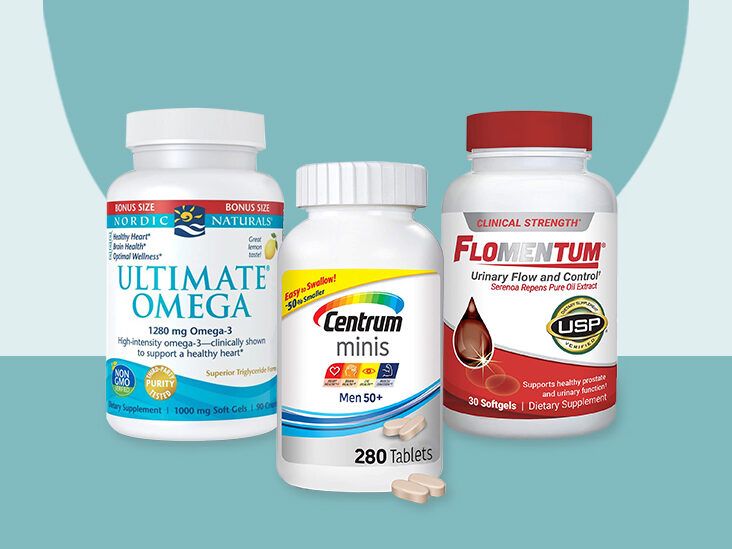
- Omega-3 Fatty Acids: Found in fish oil, flaxseed oil, and algae-based supplements, omega-3s are essential for heart health, brain function, and reducing inflammation. Many people do not consume enough of these vital fats through diet alone.
- Adaptogens: Herbs like ashwagandha and rhodiola rosea are classified as adaptogens, which help the body manage stress. These supplements are gaining popularity in today’s fast-paced world, where chronic stress is a common issue.
- Collagen and Protein Supplements: Often marketed for skin health, joint support, and muscle recovery, collagen peptides and protein powders are widely used by athletes, fitness enthusiasts, and those looking to slow signs of aging.
Frequently Asked Questions / Pros & Cons
Are health supplements necessary for everyone?
While supplements can be beneficial, they are not a one-size-fits-all solution. A balanced diet rich in fruits, vegetables, lean proteins, and whole grains often provides all the necessary nutrients. Supplements are most useful for individuals with specific deficiencies, dietary restrictions, or increased nutritional needs, such as pregnant women, athletes, or older adults.
How do I know if a supplement is safe and effective?
Always look for supplements that have been third-party tested by organizations like NSF International, USP, or ConsumerLab. These certifications ensure the product meets purity and potency standards. Additionally, consult with a healthcare provider before starting any new supplement, especially if you have preexisting health conditions or take medications.
Can supplements replace a healthy diet?
No. Supplements are intended to complement, not replace, a nutritious diet. Whole foods provide a complex matrix of nutrients, fiber, and antioxidants that work synergistically to support health. Relying solely on supplements can lead to imbalances and may even cause toxicity in some cases.
What are the potential side effects of taking supplements?
Supplements can cause side effects, particularly when taken in high doses or combined with certain medications. For example, excessive vitamin A can lead to toxicity, while high doses of St. John’s Wort may interfere with antidepressants. Always follow recommended dosages and seek professional advice if unsure.
Are natural supplements always better than synthetic ones?
Not necessarily. The terms “natural” and “synthetic” refer to how the supplement is made, not its effectiveness. Some synthetic vitamins, like folic acid, are highly bioavailable and well-absorbed. Meanwhile, some natural supplements may contain impurities or inconsistent dosages. Quality and formulation matter more than the source.
How long does it take to see results from supplements?
Results vary depending on the supplement and individual factors such as metabolism, diet, and lifestyle. Some people may notice changes within a few days, while others might need weeks or months. Consistency and patience are key when incorporating supplements into a wellness routine.
Practical Guidance & Solutions
Before adding any supplement to your regimen, start with a thorough assessment of your diet and lifestyle. Consider keeping a food journal to identify potential gaps in nutrition. Next, consult with a healthcare professional, such as a doctor or registered dietitian, to determine which supplements, if any, might benefit you. If you decide to try a supplement, choose high-quality products from reputable brands and follow the recommended dosage closely.
It’s also wise to introduce supplements one at a time, monitoring your body’s response before adding another. This approach helps you identify what works and what doesn’t. Pair supplements with healthy habits like regular exercise, adequate sleep, and stress management to maximize their benefits. Remember, supplements are just one piece of the wellness puzzle; they work best when integrated into a holistic approach to health.
Conclusion
Health supplements hold immense potential to enhance wellness, but their power lies in informed and mindful use. By understanding the differences between types of supplements, recognizing their limitations, and approaching them with caution, you can make choices that genuinely support your health. The key is to prioritize whole foods, seek professional guidance, and remain skeptical of miracle claims. When used responsibly, supplements can be a valuable tool in your wellness toolkit, helping you feel stronger, healthier, and more balanced. Revolutionizing your wellness starts with knowledge, discernment, and a commitment to listening to your body’s unique needs.