
Fueling your body with wholesome, nutrient-rich foods isn’t just a wellness trend—it’s a lifestyle move with long-lasting perks. From sunrise to sundown, selecting the right foods for each meal can supercharge your energy, stabilize your mood, and sharpen your mental focus. Let’s break down the best superfoods for meals and how to craft nutritious meal ideas daily that keep both your body and taste buds satisfied.
Healthy Breakfast Lunch Dinner – Start, Sustain, and Finish Strong
Mornings are when your body craves replenishment. After hours of fasting, your first meal sets the tone for your metabolism and energy levels. The gold standard for a healthy breakfast lunch dinner plan starts with a breakfast that fuses complex carbs, healthy fats, and protein.
Breakfast
Start with rolled oats or chia pudding topped with berries and a spoonful of almond butter. Oats provide sustained energy with soluble fiber, while berries deliver antioxidants that battle cellular stress. Throw in some Greek yogurt or scrambled eggs for that extra protein punch.
For something savory, avocado toast on whole-grain bread with a soft-boiled egg adds heart-healthy fats and a satisfying bite. This is how you wake up your body—deliciously and effectively.
Lunch
Midday meals often fall into the trap of being rushed or nutrient-poor. But your lunch is critical for maintaining focus and avoiding that dreaded afternoon crash. Aim for color and balance.
Build a salad base with spinach, kale, or arugula, then pile on grilled chicken, chickpeas, quinoa, shredded carrots, cherry tomatoes, and a sprinkle of pumpkin seeds. Drizzle olive oil and lemon for a light dressing that supports heart and brain health.
Prefer something warm? A bowl of lentil soup with a slice of whole-grain bread and a side of roasted veggies hits the spot—hearty, comforting, and packed with fiber and iron.
Dinner
Dinner should be nourishing yet not too heavy. Think lean proteins, complex carbs, and plenty of vegetables. Grilled salmon paired with roasted sweet potatoes and sautéed greens makes for a flavorful and fulfilling plate. Salmon brings omega-3s to the table—crucial for brain and heart function—while sweet potatoes offer beta-carotene and slow-digesting carbs.
Alternatively, a tofu stir-fry with brown rice and a rainbow of bell peppers, broccoli, and snap peas can be just as satisfying. The key to crafting the ultimate healthy breakfast lunch dinner routine is variety, balance, and vibrant colors on your plate.
Power Your Plate With the Best Superfoods for Meals
Not all foods are created equal. Some are in a league of their own—nutrient-dense, disease-fighting, and flavor-packed. Including these power players in every meal is a smart move.
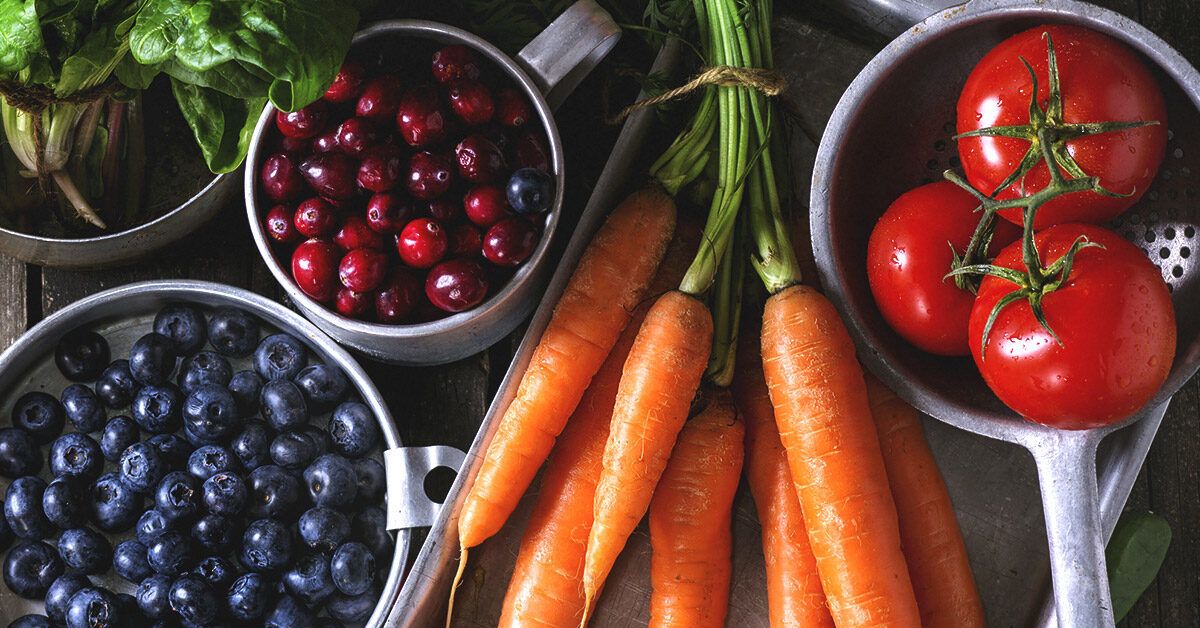
- Blueberries – Tiny, mighty, and loaded with antioxidants that support brain health and reduce inflammation.
- Quinoa – A complete plant protein that’s also high in magnesium, fiber, and iron.
- Spinach – Rich in folate, iron, and vitamins A and C. Excellent for skin, eyes, and immunity.
- Salmon – A fatty fish powerhouse with high-quality protein and anti-inflammatory omega-3s.
- Sweet Potatoes – High in beta-carotene and fiber, great for gut health and sustained energy.
- Greek Yogurt – Full of probiotics and protein; a creamy base for breakfast or a snack.
Rotate these ingredients into your nutritious meal ideas daily and feel the difference in your vitality, digestion, and mood.
Smart and Simple Nutritious Meal Ideas Daily
Meal planning doesn’t need to be elaborate to be effective. The secret lies in mixing whole, unprocessed ingredients with efficient prep techniques.
- Overnight oats with chia seeds, bananas, and cinnamon for breakfast.
- Whole-grain wraps filled with hummus, avocado, and grilled veggies for lunch.
- Sheet pan chicken thighs with Brussels sprouts and farro for dinner.
Add snacks like apple slices with peanut butter or hard-boiled eggs for a protein-rich nibble. These options simplify the process of building balanced diet food options every single day.
Crafting Balanced Diet Food Options Without Overthinking
Balance doesn’t mean eating a little of everything. It’s about choosing nutrient synergy—foods that work together to elevate absorption and performance.
- Pairing vitamin C-rich foods (like bell peppers or citrus) with iron-rich plant sources (like lentils) increases iron absorption.
- Healthy fats (like olive oil or avocado) enhance the bioavailability of fat-soluble vitamins (A, D, E, and K).
- Combining complex carbs with protein slows digestion and keeps blood sugar steady.
With these tips in mind, your meals don’t just satisfy hunger—they support cellular repair, hormone balance, and immune resilience. Truly balanced diet food options are intentional and thoughtful, but they don’t need to be time-consuming.
Creating a day’s worth of meals that are wholesome, satisfying, and energizing isn’t as complex as it seems. The magic lies in consistency, variety, and choosing ingredients that deliver nutritional bang for your buck. Prioritize the best superfoods for meals, incorporate creative yet realistic nutritious meal ideas daily, and maintain a rhythm of healthy breakfast lunch dinner routines. Your body—and your taste buds—will thank you.